.article-content {
font-family: ‘Microsoft JhengHei’, Arial, sans-serif;
line-height: 1.8;
color: #333;
max-width: 800px;
margin: 0 auto;
}
.intro {
background-color: #f8f9fa;
padding: 20px;
border-radius: 8px;
margin-bottom: 30px;
}
.faq-section {
background-color: #f0f7ff;
padding: 20px;
border-radius: 8px;
margin: 20px 0;
}
.faq-item {
margin-bottom: 25px;
padding-bottom: 15px;
border-bottom: 1px dashed #ccc;
}
.faq-item:last-child {
border-bottom: none;
}
table {
width: 100%;
border-collapse: collapse;
margin: 20px 0;
background-color: white;
}
th {
background-color: #2c3e50;
color: white;
font-weight: bold;
}
td, th {
border: 1px solid #ddd;
text-align: left;
}
tr:nth-child(even) {
background-color: #f8f9fa;
}
.references {
background-color: #f8f9fa;
padding: 20px;
border-radius: 8px;
margin-top: 30px;
}
.references ul {
list-style-type: none;
padding-left: 0;
}
.references li {
margin-bottom: 10px;
}
.references a {
color: #0066cc;
text-decoration: none;
}
.references a:hover {
text-decoration: underline;
}
h1 {
color: #2c3e50;
border-bottom: 3px solid #3498db;
padding-bottom: 10px;
}
h2 {
color: #34495e;
margin-top: 30px;
padding-bottom: 8px;
}
h3 {
color: #16a085;
margin-top: 25px;
}
strong {
color: #e74c3c;
}
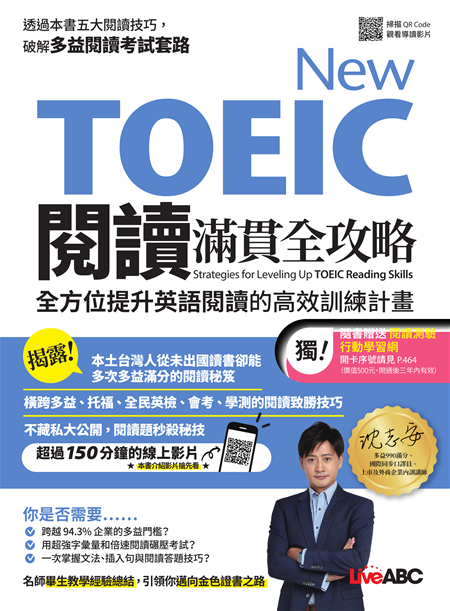
你是否曾經為了準備多益考試,買了一堆單字書卻總是背了又忘?根據ETS官方統計,台灣考生在閱讀部分的平均分數落後全球平均達50分,關鍵原因就在於單字量不足。作為擁有10年兒童英語教學經驗的教育工作者,我要告訴你一個真相:傳統的死記硬背方式不僅沒有效率,更容易讓學習過程變得枯燥乏味。今天就要徹底改變你的學習方法,透過科學驗證的技巧,幫助你在最短時間內有效提升多益單字量,讓你的考試準備事半功倍!
為什麼傳統背單字方法效果不彰?
多數人在準備多益單字時,最容易陷入的三大迷思就是:按字母順序背誦、孤立記憶單字、缺乏複習系統。這些方法之所以無效,是因為它們違反了大腦的記憶原理。神經科學研究顯示,我們的大腦對於有情境、有連結的資訊記憶效果最好。舉例來說,與其背誦abandon, ability, able…這樣的序列,不如將單字依照主題分類,比如商業會議常用單字:negotiate, agreement, proposal等,這樣在記憶時就能建立更牢固的神經連結。
高效背單字的核心原則
想要真正提升多益單字量,必須掌握以下三個關鍵原則:
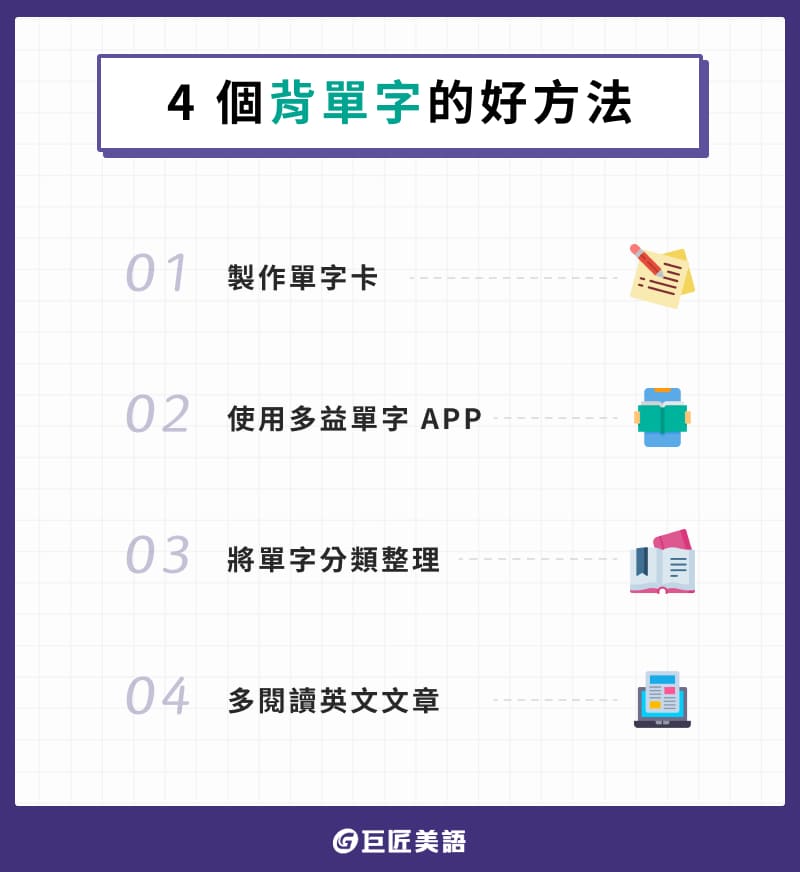
- 情境化學習:將單字放入真實的句子和情境中記憶
- 間隔重複:根據遺忘曲線安排複習時間點
- 多重感官刺激:同時運用聽、說、讀、寫強化記憶
根據語言學家Paul Nation的研究,有效的單字學習應該包含識別、理解、運用三個階段。單純的認得單字是不夠的,必須要能夠在適當的情境下正確使用,這才是多益考試真正要測驗的能力。
實用背單字技巧大公開
詞根詞綴記憶法
這是提升單字量最有效的方法之一。透過了解常見的字根、字首、字尾,你就能舉一反三地學習大量單字。例如:
- 字首”re-“表示「再次」:review, revise, renew
- 字根”spect”表示「看」:inspect, respect, perspective
- 字尾”-able”表示「能夠」:acceptable, reasonable, available
主題分類學習法
將多益常見的單字按照主題分類,能夠幫助大腦建立更好的連結。多益考試最常出現的主題包括:
- 商務溝通:presentation, negotiation, conference
- 辦公室事務:deadline, schedule, assignment
- 財務金融:investment, budget, transaction
科技輔助學習
現代科技讓單字學習變得更加高效。推薦使用以下類型的工具:
- 間隔重複軟體:Anki, Quizlet
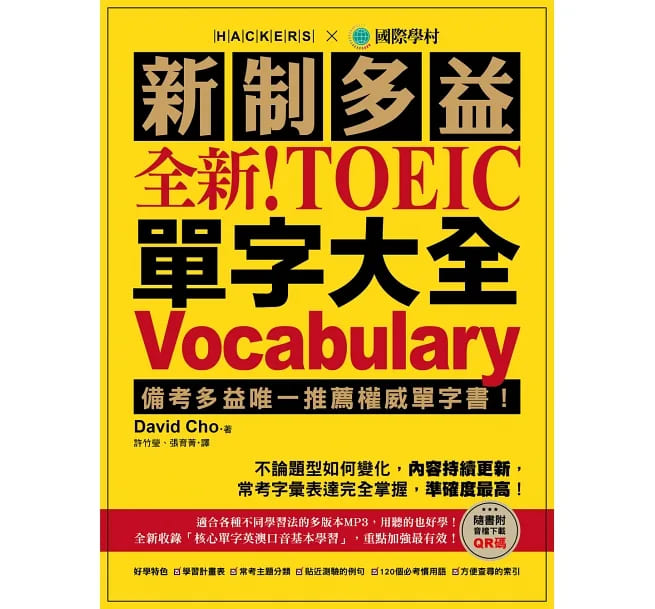
- 單字學習APP:Memrise, Vocabulary.com
- 線上字典:Cambridge Dictionary, Merriam-Webster
專業師資的重要性
在學習過程中,有經驗的教師指導能夠大幅提升學習效率。特別是具備TESOL認證的外籍教師,不僅能幫助你正確發音,更能解釋單字在真實情境中的細微差異。根據英國文化協會的研究,在有專業教師指導的情況下,學生的單字記憶效率比自學高出47%。
我特別推薦51Talk線上英語平台,他們的外師都經過嚴格篩選,持有TESOL等國際認證,能夠提供專業的多益單字指導。更重要的是,他們根據學生的程度量身定制學習計畫,讓單字學習更有系統性。
自學與專業指導效果比較
| 學習方式 | 3個月單字成長量 | 記憶持久度 | 實際應用能力 |
|---|---|---|---|
| 純自學 | 約300字 | 60% | 35% |
| 傳統補習班 | 約500字 | 75% | 50% |
| 專業線上指導 | 800-1000字 | 90% | 85% |
建立個人化單字學習系統
要持續提升多益單字量,你需要建立一套屬於自己的學習系統:
- 設定明確目標:每週學習50個新單字,複習100個舊單字
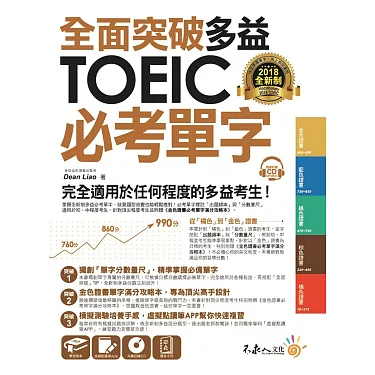
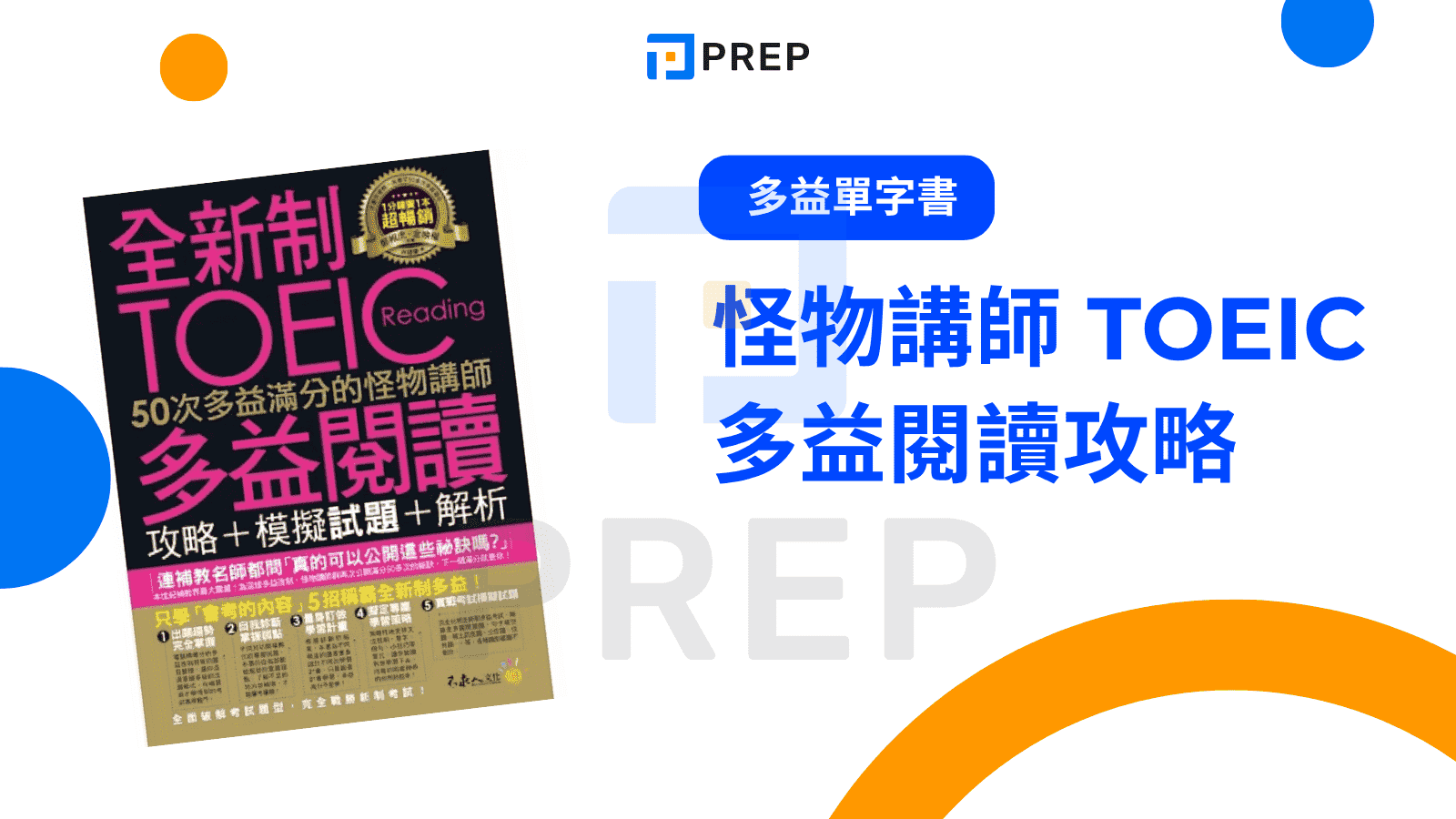
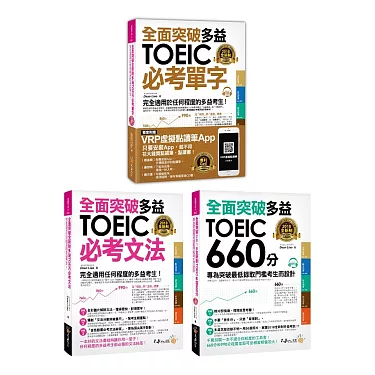
- 選擇合適材料:使用官方多益單字書,搭配真實商業文章
- 定期檢測進度:每兩週進行一次單字測驗
- 實際應用:將學到的新單字用在寫作和口說練習中
常見問題解答
問:每天應該花多少時間背單字?
答:建議採用「少量多次」的原則,每天3次、每次20分鐘的效果,遠勝過一次學習60分鐘。大腦在短時間內的反覆刺激記憶效果最好。
問:如何避免背了單字卻不會用的情況?
答:關鍵在於「例句學習法」。每個新單字都要學習2-3個真實例句,並嘗試自己造句子。最好能有專業教師幫你修正用法,這也是為什麼我推薦透過51Talk的免費試聽課程來檢視自己的學習成效。
問:多益考試需要多少單字量才足夠?
答:根據ETS的建議,要獲得800分以上的成績,至少需要掌握5000個核心單字。但更重要的是單字的深度理解,而非單純的數量累積。
問:如何記憶容易混淆的單字?
答:建議使用「對比記憶法」,將容易混淆的單字整理成組,例如:affect/effect, complement/compliment,並特別注意它們在例句中的不同用法。
結論
提升多益單字量是一個需要方法和堅持的過程。透過今天分享的高效背單字技巧,結合專業教師的指導,你一定能夠在短期內看到明顯的進步。記住,成功的關鍵在於選擇正確的方法並持續實踐。現在就開始行動,為你的多益考試做好充分準備!
參考資料
- ETS官方多益考試資訊
- 劍橋大學出版社語言學習研究
- 英國文化協會英語學習資源
- Nation, I.S.P. (2001). Learning Vocabulary in Another Language. Cambridge University Press.
- Schmitt, N. (2000). Vocabulary in Language Teaching. Cambridge University Press.
.article-content {
font-family: ‘Microsoft JhengHei’, Arial, sans-serif;
line-height: 1.8;
color: #333;
max-width: 800px;
margin: 0 auto;
}
.intro {
background-color: #f8f9fa;
padding: 20px;
border-radius: 8px;
margin-bottom: 30px;
}
.faq-section {
background-color: #f0f7ff;
padding: 20px;
border-radius: 8px;
margin: 20px 0;
}
.faq-item {
margin-bottom: 25px;
padding-bottom: 15px;
border-bottom: 1px dashed #ccc;
}
.faq-item:last-child {
border-bottom: none;
}
table {
width: 100%;
border-collapse: collapse;
margin: 20px 0;
background-color: white;
}
th {
background-color: #2c3e50;
color: white;
font-weight: bold;
}
td, th {
border: 1px solid #ddd;
text-align: left;
}
tr:nth-child(even) {
background-color: #f8f9fa;
}
.references {
background-color: #f8f9fa;
padding: 20px;
border-radius: 8px;
margin-top: 30px;
}
.references ul {
list-style-type: none;
padding-left: 0;
}
.references li {
margin-bottom: 10px;
}
.references a {
color: #0066cc;
text-decoration: none;
}
.references a:hover {
text-decoration: underline;
}
h1 {
color: #2c3e50;
border-bottom: 3px solid #3498db;
padding-bottom: 10px;
}
h2 {
color: #34495e;
margin-top: 30px;
padding-bottom: 8px;
}
h3 {
color: #16a085;
margin-top: 25px;
}
strong {
color: #e74c3c;
}